
Immunology Overview
1. Introduction
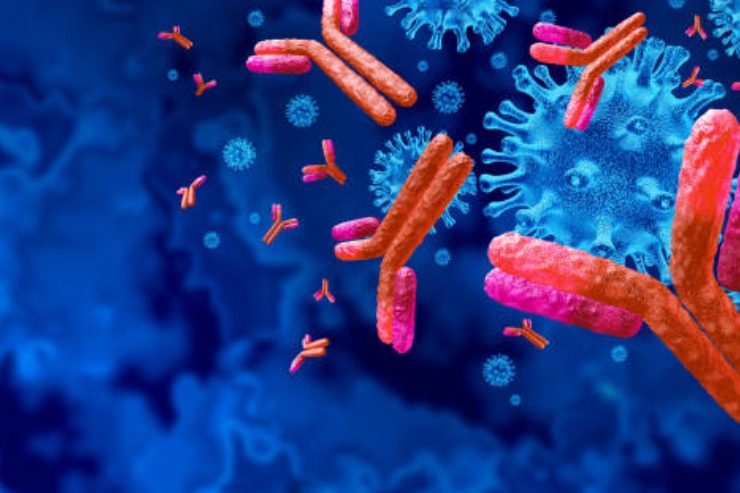
Immunology is the branch of biomedical science that studies the structure, function, and regulation of the immune system — the body’s complex defense mechanism responsible for recognizing and eliminating foreign substances such as microorganisms, toxins, and tumor cells. It explores how the body distinguishes “self” from “non-self,” how immune cells communicate through cytokines and receptors, and how immune responses are activated, modulated, and terminated.
Understanding immunology is essential for preventing, diagnosing, and treating a wide range of conditions, including infectious diseases, autoimmune disorders, allergies, cancers, and immune deficiencies. Advances in immunology have led to the development of vaccines, monoclonal antibodies, immune checkpoint inhibitors, and molecular diagnostic tools that have revolutionized modern medicine.
2. History of Immunology
The study of immunology began with the observation of acquired resistance to disease. The history can be divided into major milestones:
– Ancient observations: As early as the 5th century BCE, historians such as Thucydides noted that survivors of plague epidemics did not suffer reinfection, hinting at immune memory.
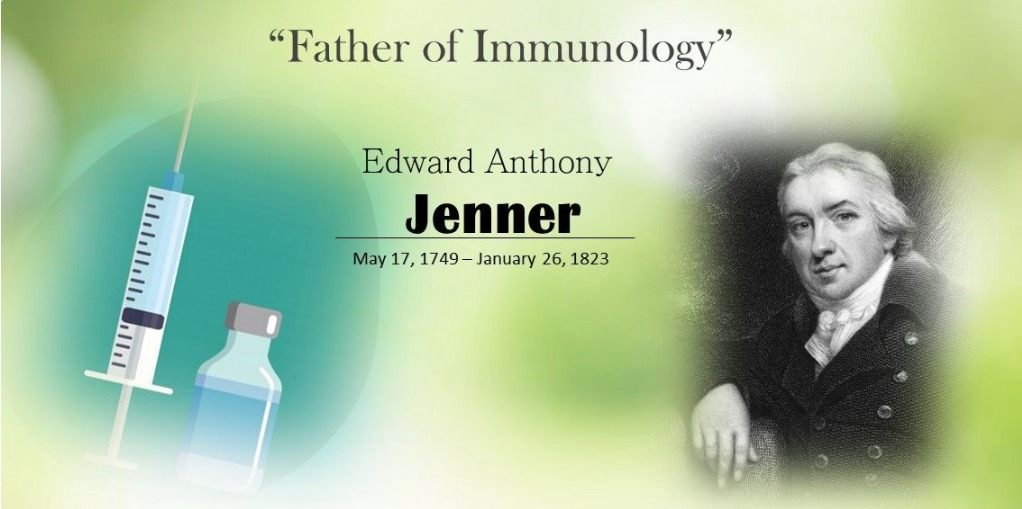
– 17th–18th centuries: Edward Jenner (1796) pioneered vaccination using cowpox to protect against smallpox — the first practical application of immunological principles.
– 19th century: Louis Pasteur expanded Jenner’s concept by developing vaccines for rabies, anthrax, and cholera. Elie Metchnikoff (1883) discovered phagocytosis, establishing the cellular theory of immunity.
– Early 20th century: Paul Ehrlich proposed the side-chain theory, leading to the humoral theory of antibody formation. Karl Landsteiner identified blood groups, linking immunology to transfusion medicine.
– Mid-20th century: The discovery of immunoglobulin structure, antigen–antibody reactions, and the roles of lymphocytes marked the foundation of modern immunology.
– Late 20th to 21st century: The fields of molecular immunology, immunogenetics, immunodiagnostics, and immunotherapy evolved rapidly, with breakthroughs such as monoclonal antibody production (Köhler & Milstein, 1975), cytokine biology, and immune checkpoint blockade for cancer therapy.
3. Classification of Immunology
Immunology can be broadly divided into three major domains — Fundamental (Basic) Immunology, Diagnostic Immunology, and Clinical Immunology — each with its own sub-branches and applications.
A. Fundamental (Basic) Immunology
This branch focuses on the mechanistic understanding of the immune system at the cellular, molecular, and genetic levels. It lays the foundation for all applied branches.
Main Subfields:
1. Cellular Immunology: Studies immune cells such as T cells, B cells, macrophages, dendritic cells, and NK cells, including their activation, signaling, and effector functions.
2. Molecular Immunology: Examines molecules involved in immune recognition and communication, such as antibodies, cytokines, complement proteins, and receptors (e.g., TCR, BCR).
3. Immunogenetics: Explores genetic regulation of immune responses, including the major histocompatibility complex (MHC/HLA), immunoglobulin gene rearrangements, and polymorphisms influencing susceptibility to diseases.
4. Developmental Immunology: Investigates how the immune system develops from embryonic life to adulthood, including thymic selection and tolerance.
5. Evolutionary and Comparative Immunology: Compares immune systems across species to understand the evolutionary conservation of immune defense mechanisms.

B. Clinical diagnostic Immunology
This is the applied clinical diagnostic laboratory branch that uses immunological principles and methods to detect, quantify, and interpret immune responses for disease diagnosis, prognosis, and monitoring.
Key Sub-branches and Applications:
1. Autoimmune Diagnostics: Detection of autoantibodies (e.g., ANA, anti-dsDNA, ANCA, anti-CCP; ASMA) to identify autoimmune diseases like lupus, rheumatoid arthritis, vasculitis, and autoimmune hepatitis.
2. Allergy and Hypersensitivity Testing: Measurement of total and specific IgE, basophil activation tests, and component-resolved diagnostics for allergic diseases.
3. Infectious Immunology: antibodies and molecular detection of pathogen-specific antibodies or antigens (e.g., HIV, HBV, TB-Gold IGRA, COVID-19).
4. Tumor Immunology: Detection of tumor-associated antigens, immune checkpoint molecules, and monitoring of immune responses to cancer immunotherapy.
5. Immunodeficiency Diagnostics: Quantification of immunoglobulins, complement activity, lymphocyte subsets, and functional assays for phagocytic or T/B-cell disorders.
6. Transplantation Immunology: Crossmatching, HLA typing, and antibody screening for donor-recipient compatibility.
Common Immunoassays: ELISA, CLIA, flow cytometry, immunoblotting, multiplex assays, immunofluorescence, and chemiluminescence systems.
A clinical consultant diagnostic immunologist serves as a vital bridge between fundamental immunology, diagnostic laboratory services, and clinical immunology—translating and interpreting complex immunological test results into meaningful clinical insights that guide accurate diagnosis, effective patient management, and evidence-based immunotherapy decisions
C. Clinical Immunology
Clinical immunology translates immunological knowledge into patient care, focusing on the diagnosis, treatment, and management of immune-related diseases.
Major Sub-branches:
1. Autoimmune Diseases: Understanding immune mechanisms underlying lupus, rheumatoid arthritis, autoimmune hepatitis, and type 1 diabetes; guiding immunosuppressive therapy.
2. Allergy and Clinical Hypersensitivity: Clinical evaluation and immunotherapy for asthma, allergic rhinitis, food and drug allergies.

3. Clinical Immunodeficiency: Diagnosis and management of primary (genetic) and secondary (acquired) immunodeficiency disorders such as SCID or AIDS.
4. Transplantation Medicine: Immunological monitoring of graft rejection, tolerance, and immunosuppressive regimens.
5. Immuno-Oncology: Application of immune-based therapies in cancer (e.g., checkpoint inhibitors, CAR-T cells).
6. Infectious and Vaccine Immunology: Understanding host–pathogen interactions and developing or evaluating vaccines.
Consultant Clinical immunologists bridge laboratory results with clinical interpretation, providing comprehensive immunodiagnostic and therapeutic guidance.
4. Summary
Immunology has evolved from simple observations of resistance to disease into a highly sophisticated science integrating cellular biology, molecular genetics, and clinical medicine.
The three domains — fundamental, diagnostic, and clinical immunology — form an interconnected framework: fundamental immunology provides the theoretical base, diagnostic immunology applies clinical laboratory immunoassays and advanced principles to detect immune alterations, and clinical immunology translates findings into patient care.
Together, they represent one of the most dynamic and interdisciplinary fields in modern evidence-based medicine.
By: Prof Jamil Al-Mughales
Professor of Medical Immunology; Consultant Clinical Diagnostic immunologist

No comment